
What About All That Office Space?
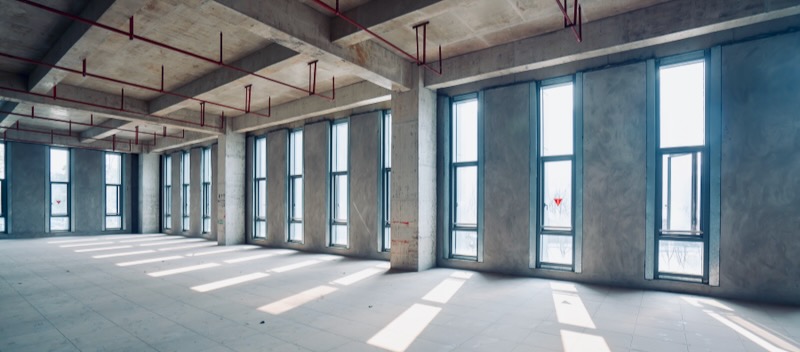
The United States is witnessing an unprecedented surplus of office space. There is an historic high in vacancy rates for Class A, the most desirable office space in cities. This oversupply is due to a seismic shift in work behavior. It’s caused by the global pandemic that left a lasting impact on how we see and engage with the traditional office environment.
The COVID-19 pandemic, an unexpected disruptor, catalyzed a transformation in the traditional work setup. What was once a rigid 9-to-5 office routine is now being reshaped by the embrace of remote work. This trend could alter the office space landscape permanently.
While CEOs are eager to bring employees back to the office, a significant portion of those workers experienced the benefits of remote work during the pandemic. They are hesitant to relinquish this newfound flexibility. This dichotomy gives rise to questions about "return to the office" (RTO). Whether this will occur hangs in the balance, affected by the uncertainty and complexity surrounding the future of workspaces.
Enter the era of hybrid work, a trend poised to dominate the next decade. Companies are increasingly adopting a balanced approach, with a 60% in-office presence and a 40% allowance for remote work. This hybrid model recognizes the benefits of both worlds, providing employees with the flexibility to work remotely while maintaining the collaborative spirit and cross-pollination fostered by in-person interactions.
It's crucial to acknowledge that not all roles can transition to remote work. Certain jobs demand full-time physical presence for performance. However, the realization that some significant portion of tasks and functions can be efficiently executed remotely has led to a reevaluation of the traditional office setup.
As someone deeply entrenched in the interior construction industry, I annually conduct economic and trend forecasts for my clients. Unsurprisingly, the most requested and scrutinized topic this year has been the future of office spaces in the wake of the remote work revolution. Businesses are keenly interested in understanding the longevity and implications of this transformative trend.
The million-dollar question that echoes through boardrooms and office spaces alike is, how long will this remote work phenomenon last? It appears that the work-from-home (WFH) trend has left an indelible mark on the collective psyche, indicating that its impact is likely to persist for the long term. This realization prompts a fundamental reevaluation of the purpose and design of office spaces.
One of the key driving forces behind the remote work surge is the recognition of improved work-life balance and increased productivity. Employees have discovered the benefits of a flexible schedule, reduced commuting time, and the ability to tailor their work environment to suit their preferences. As a result, companies are grappling with the challenge of creating workspaces that not only cater to the collaborative needs of in-person work but also accommodate the individualized requirements of remote work.
The surplus of office spaces in many US markets has necessitated a reimagining of these spaces. Companies are faced with the task of transforming traditional offices into dynamic, multifunctional environments that cater to the evolving needs of a hybrid workforce. The focus is shifting from maximizing square footage to optimizing space for collaboration, innovation, and employee well-being.
Architects, interior designers, and construction professionals are playing a pivotal role in shaping this transformation. The emphasis is on creating agile and adaptable spaces that can seamlessly transition between in-person collaboration and remote work. The integration of technology is paramount, facilitating virtual meetings, collaborative tools, and a seamless digital experience for both in-office and remote employees.
Furthermore, companies are exploring creative solutions to make the office a destination rather than a mere workspace. Incorporating amenities such as wellness centers, recreational spaces, and flexible seating arrangements aims to enhance the overall employee experience and foster a sense of community.
Hybrid work model is not without challenges. Striking the right balance between in-office and remote work requires a nuanced approach that considers the unique needs of each organization. Communication strategies, team-building initiatives, and technology infrastructure are all critical components in ensuring success of this evolving work model.
In conclusion, the surplus of office spaces in the US, coupled with the transformative impact of the remote work revolution, has ushered in an era of unprecedented change in the traditional office landscape. The hybrid work model, with its 60/40 balance, emerges as a frontrunner for the future of work. As the interior construction industry navigates this uncharted territory, the key lies in adaptability, creativity, and a deep understanding of the evolving needs of the workforce. The remote work revolution is not just a temporary trend; it's a catalyst for a fundamental redefinition of how we perceive and design our workspaces.
The COVID-19 pandemic, an unexpected disruptor, catalyzed a transformation in the traditional work setup. What was once a rigid 9-to-5 office routine is now being reshaped by the embrace of remote work. This trend could alter the office space landscape permanently.
While CEOs are eager to bring employees back to the office, a significant portion of those workers experienced the benefits of remote work during the pandemic. They are hesitant to relinquish this newfound flexibility. This dichotomy gives rise to questions about "return to the office" (RTO). Whether this will occur hangs in the balance, affected by the uncertainty and complexity surrounding the future of workspaces.
Enter the era of hybrid work, a trend poised to dominate the next decade. Companies are increasingly adopting a balanced approach, with a 60% in-office presence and a 40% allowance for remote work. This hybrid model recognizes the benefits of both worlds, providing employees with the flexibility to work remotely while maintaining the collaborative spirit and cross-pollination fostered by in-person interactions.
It's crucial to acknowledge that not all roles can transition to remote work. Certain jobs demand full-time physical presence for performance. However, the realization that some significant portion of tasks and functions can be efficiently executed remotely has led to a reevaluation of the traditional office setup.
As someone deeply entrenched in the interior construction industry, I annually conduct economic and trend forecasts for my clients. Unsurprisingly, the most requested and scrutinized topic this year has been the future of office spaces in the wake of the remote work revolution. Businesses are keenly interested in understanding the longevity and implications of this transformative trend.
The million-dollar question that echoes through boardrooms and office spaces alike is, how long will this remote work phenomenon last? It appears that the work-from-home (WFH) trend has left an indelible mark on the collective psyche, indicating that its impact is likely to persist for the long term. This realization prompts a fundamental reevaluation of the purpose and design of office spaces.
One of the key driving forces behind the remote work surge is the recognition of improved work-life balance and increased productivity. Employees have discovered the benefits of a flexible schedule, reduced commuting time, and the ability to tailor their work environment to suit their preferences. As a result, companies are grappling with the challenge of creating workspaces that not only cater to the collaborative needs of in-person work but also accommodate the individualized requirements of remote work.
The surplus of office spaces in many US markets has necessitated a reimagining of these spaces. Companies are faced with the task of transforming traditional offices into dynamic, multifunctional environments that cater to the evolving needs of a hybrid workforce. The focus is shifting from maximizing square footage to optimizing space for collaboration, innovation, and employee well-being.
Architects, interior designers, and construction professionals are playing a pivotal role in shaping this transformation. The emphasis is on creating agile and adaptable spaces that can seamlessly transition between in-person collaboration and remote work. The integration of technology is paramount, facilitating virtual meetings, collaborative tools, and a seamless digital experience for both in-office and remote employees.
Furthermore, companies are exploring creative solutions to make the office a destination rather than a mere workspace. Incorporating amenities such as wellness centers, recreational spaces, and flexible seating arrangements aims to enhance the overall employee experience and foster a sense of community.
Hybrid work model is not without challenges. Striking the right balance between in-office and remote work requires a nuanced approach that considers the unique needs of each organization. Communication strategies, team-building initiatives, and technology infrastructure are all critical components in ensuring success of this evolving work model.
In conclusion, the surplus of office spaces in the US, coupled with the transformative impact of the remote work revolution, has ushered in an era of unprecedented change in the traditional office landscape. The hybrid work model, with its 60/40 balance, emerges as a frontrunner for the future of work. As the interior construction industry navigates this uncharted territory, the key lies in adaptability, creativity, and a deep understanding of the evolving needs of the workforce. The remote work revolution is not just a temporary trend; it's a catalyst for a fundamental redefinition of how we perceive and design our workspaces.